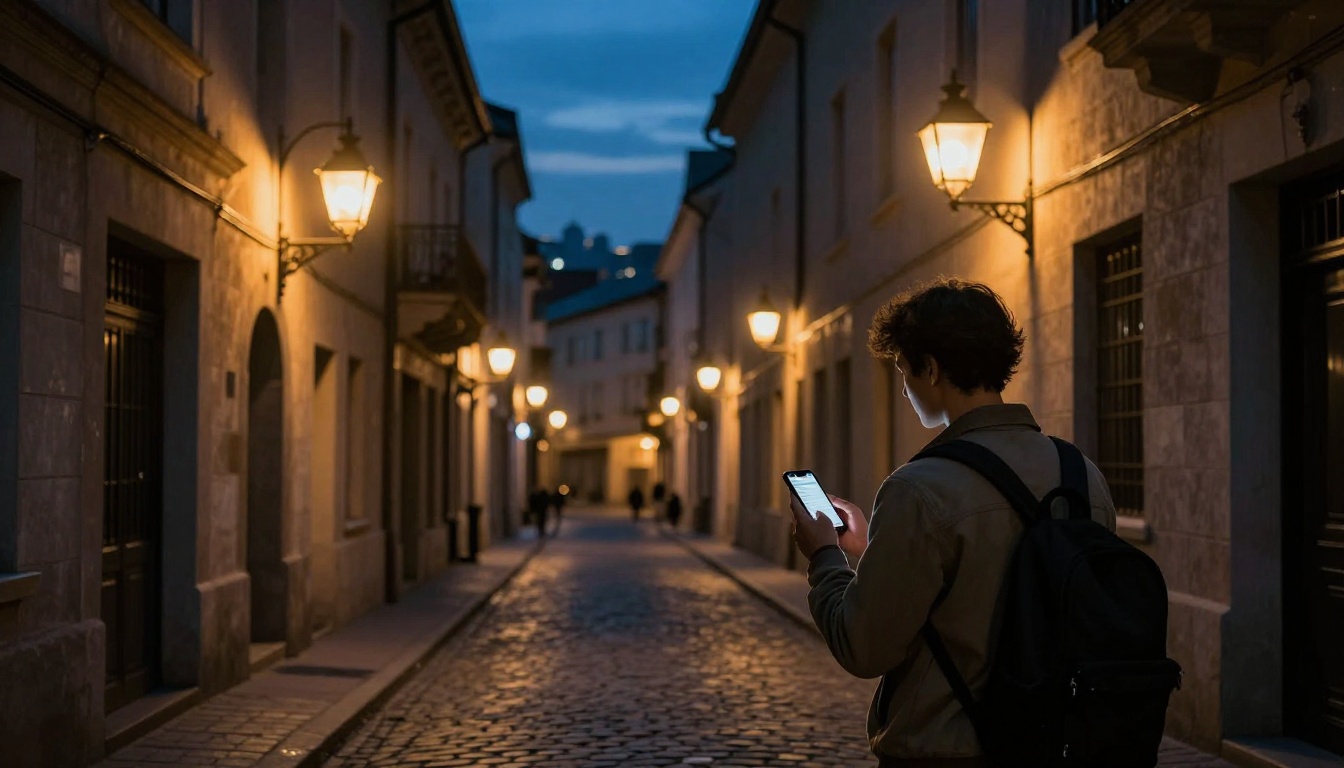
Picture this. You’re wandering a bustling foreign city at dusk. Streets twist into a maze. Your phone battery dies. Panic creeps in as familiar landmarks vanish.
Many travelers face this nightmare. Disorientation turns excitement into stress fast. But you can keep trips fun with basic habits. Simple prep, smart tech, classic tricks, and quick fixes help you avoid getting lost while traveling. In 2026, location-sharing apps shine for solo adventurers. Family sees your spot in real time. These steps build confidence. Let’s dive into practical ways to stay on track from the start.
Prepare Like a Pro Before Your Trip Starts
Good planning sets a strong base. Research your destination early. Study maps online. Note main roads, public transit lines, and safe neighborhoods. Pick hotels in central areas. This cuts confusion before you arrive.
Share your full itinerary with trusted family or friends. Send flight details, hotel address, and daily plans via text or app. They know your moves. If trouble hits, they act fast.
Enroll in the U.S. Smart Traveler Enrollment Program, or STEP. It sends alerts on weather, protests, or emergencies from embassies. U.S. citizens get tailored updates. For example, one traveler in Europe got a blackout warning just in time. They used screenshots instead.
Screenshot key info for offline access. Grab hotel exterior photos, nearby landmarks, and emergency numbers. Save local hospitals too. Download city maps ahead. These tools work without signal.
Choose walkable spots when booking. Central locations mean less transit hassle. Note taxi apps or bus routes that locals trust. Prep turns potential chaos into smooth sails.
Share Your Plans and Enroll in Safety Programs
Start with sharing. Text your itinerary to two or three contacts. Include backups like email. Apps make it easy too.
Next, sign up for STEP. Go to the official STEP enrollment page. Create a login.gov account. Add your trip dates and locations. Pick alert types. It takes minutes. Now, embassies reach you directly. If your phone fails or you go off-grid, they still help.
One solo traveler shared plans via WhatsApp. When service dropped, family used STEP alerts to guide search efforts. Peace of mind follows.
Screenshot Essentials and Map Your Must-Sees
Open Google Maps now. Search your hotel. Screenshot the pin and street view. Do the same for top sights and transit stops. Save them in a dedicated album.
Mark safe zones like police stations. Note emergency lines: 911 in the U.S., or local equivalents abroad. Pick hotels near main squares. Walkable bases shrink lost risks.
A friend in Paris faced data issues. Hotel screenshot got her back fast. No panic needed.
Use 2026 Tech Tools Smartly on the Go
Tech shines in 2026, but don’t depend on it alone. Phones fail. Batteries drain. Pick backups. Google Maps leads with offline mode. Download areas before travel. It shows transit and walking paths clear.
Life360 tops location sharing. Create a circle with family. They track you live. Set arrival alerts. Solo travelers love check-ins. Noonlight acts as a panic button. Hold to share location silently if uneasy. TripIt organizes flights and hotels in one spot.
Gadgets help too. AirTags track bags. Portable chargers keep power flowing. Use VPN on public WiFi. Skip sketchy USB ports; they steal data. Turn off Bluetooth in crowds.
A solo hiker in the mountains pinged family via Life360. They arrived safe, worry-free. Setup matters. Download and test apps at home.
Smartphone navigation keeps you oriented in busy urban spots.
Top Apps for Location Sharing and Quick Help
Life360 leads for families. Invite contacts to your circle. Share live location. Get SOS if needed. Download from their official site. Practice geofencing for places like your hotel.
Noonlight simplifies emergencies. Press and hold the button. Release for safe spots with PIN. No PIN means police get your exact spot. Check the Noonlight app page for details.
TripIt scans emails for plans. Search flights or hotels fast. For solo night walks, these apps provide quick check-ins. bSafe adds video recording on SOS. Test them weekly before departure.
Gadgets That Keep You Powered and Connected
Pack a slim power bank. It revives dead phones in low-service zones. AirTags slip into bags; ping via Find My.
VPN apps shield WiFi logins. Personal alarms clip to keys. RFID wallets block scanners. Avoid public chargers; carry your cable.
One traveler’s phone died in a remote area. Power bank and AirTag reunited her with luggage. Stay charged, stay found.
Fall Back on Tried-and-True Navigation Without Your Phone
Tech glitches happen. Paper maps endure. Buy one at tourist offices or hotels. Mark your hotel with a bold X. Circle sights and exits. Fold for key zones.
Spot landmarks from afar. Churches tower high. Rivers curve through towns. Statues mark squares. Note them on arrival. They reorient you quick.
Walk with purpose. Keep head up. Dress like locals. Skip flashy jewelry. Use licensed taxis; check plates and meters. Buses follow set routes.
In a maze-like old town, a statue guided one backpacker home. No phone required. Build these skills for any snag.
Grab a Paper Map and Learn Key Landmarks
Ask hotel staff for a free city map. Highlight routes to must-sees. Note scale for distances.
Hunt big features: bridges span rivers, towers pierce skylines. View from high points first. A river always leads downtown.
Travelers swear by this in blackouts. Maps plus landmarks beat panic every time. For more old-school advice, see tips on using paper maps.
Ask Locals Confidently and Choose Safe Rides
Learn basics: “Where is the hotel?” Smile and point. Show screenshots. Pharmacies or cafes draw helpful folks.
Pick licensed rides. Official taxis have roof signs. Apps like Uber show plates. Walk in groups at night.
Locals point true more than signs. Blend in; confidence shows. Safe habits keep adventures rolling.
What to Do Right Away If You Realize You’re Lost
Lost happens. Stay calm first. Stop moving. Breathe deep. Pick a safe spot like a lit cafe.
Assess resources. Check screenshots or paper map. Note surroundings. Ask staff politely.
Share live location if signal returns. Call shared contacts. Trust gut feelings. Bad area? Leave fast.
One traveler ducked into a cafe. Barista pointed the way. Back on track in minutes. Buddy up after dark.
Stop, Breathe, and Find a Safe Spot to Reassess
Pause now. Don’t wander deeper. Enter a busy shop. Order coffee; relax.
Pull out maps or pics. Cross-check landmarks. Ask inside: “Hotel direction?” Staff know streets best.
This reset works worldwide. Panic fades; clarity returns.
Reach Out for Backup and Trust Your Instincts
Dial contacts first. Say your spot and landmarks. Use STEP for embassy help abroad.
If vibes turn wrong, bail. Hail licensed rides. Join other tourists at night.
Check-ins prevent family worry. Instincts save days.
Prep smart, use tech wisely, master basics, and recover quick. These habits bring peace of mind on every trip. Pick two tips to try next time. Share your close-call story in comments below. Pin this for your 2026 adventures. Safe travels await, full of joy not fear. (1,478 words)