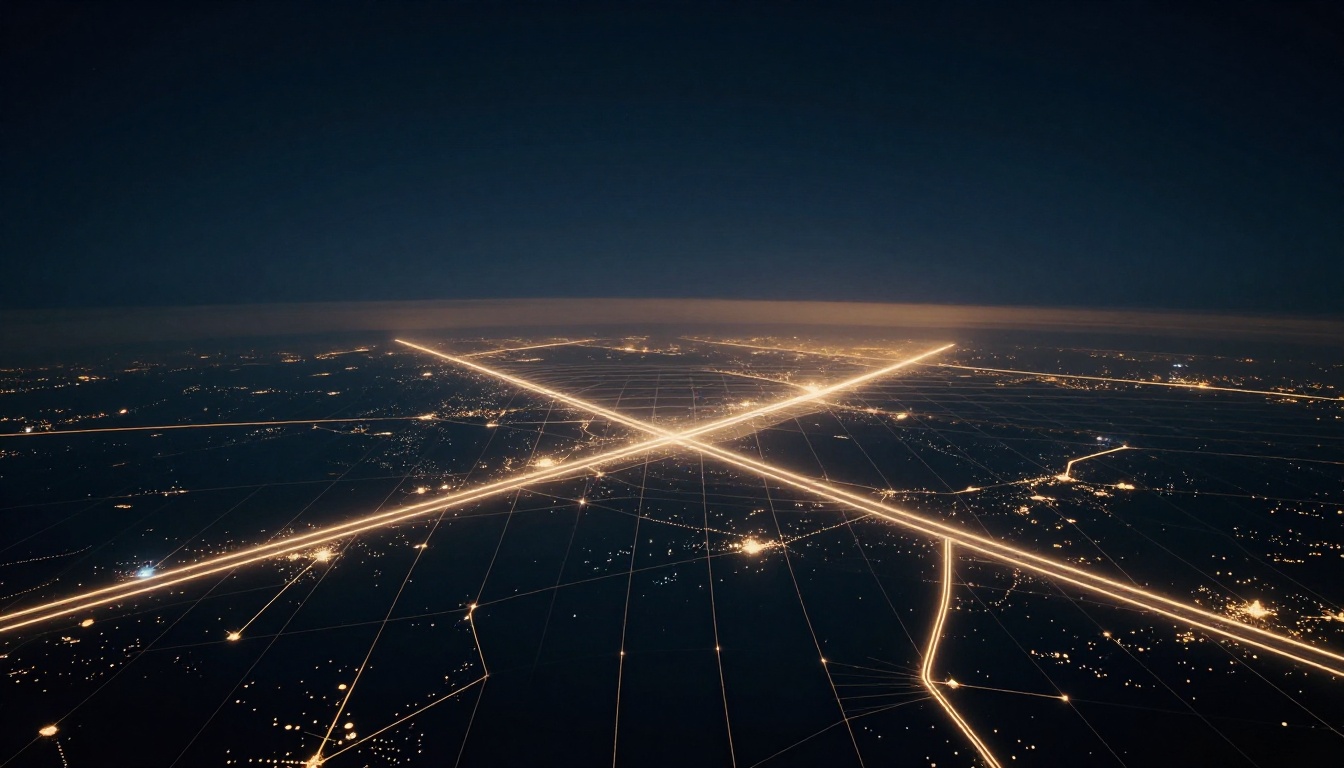
Imagine you schedule a video call with a friend in California. You set it for 9 AM your time in New York. But they show up three hours late. Why? Time zones make sure clocks match the sun’s position across Earth’s curve.
Time zones divide the planet into regions that share the same clock time. They exist because Earth spins once every 24 hours. That rotation means sunlight hits different places at different times. Without time zones, every city would run on its own solar clock. Schedules for trains, flights, and calls would fall apart.
This post covers the basics. You’ll learn why railroads forced the change, how offsets from UTC work in daily life, and odd exceptions like China’s single zone. By the end, you’ll handle time differences like a pro.
Why Did We Create Time Zones in the First Place?
Earth turns 360 degrees in 24 hours. So, every 15 degrees of longitude marks about one hour of time shift. The sun reaches noon first in the east, then moves west.
Before standard time, people set clocks by the sun. Clocks in nearby towns differed by minutes. Travel made this a nightmare. Railroads in the 1800s sped things up. Schedules clashed everywhere.
In 1883, U.S. and Canadian railroads fixed it. They picked four zones at noon on November 18. Check out this History.com account of that bold switch. It ended local chaos.
Then came the 1884 International Meridian Conference. Leaders chose Greenwich as the prime meridian. That set UTC as the base. Most countries adopted zones by the 1920s. Picture Earth as a spinning pizza. Slices get the same time so toppings don’t mix up.
The Problem with Local Solar Time
Towns once watched the sun cross overhead. That set local noon. Clocks ticked to match.
But Earth curves. Move 10 miles west, and noon hits four minutes later. Cities 100 miles apart differed by half an hour.
Trains crossed dozens of spots. Passengers reset watches constantly. Tickets listed wrong arrivals. Confusion ruled.
Railroads Spark the Change
Rail networks boomed in the 19th century. Trains hit 50 mph. Old solar time could not keep up.
Railroad bosses met. They drew zones along longitude lines. Eastern, Central, Mountain, Pacific.
On that key day in 1883, clocks snapped to standard time. Conductors sighed in relief. Travel smoothed out fast.
How Time Zones Work in Everyday Life
Zones follow longitude roughly. Each sits 15 degrees wide. They offset from UTC, the global standard.
UTC comes from atomic clocks at Greenwich. No seconds lost. Local time adds or subtracts hours.
In the U.S., Pacific Time runs UTC-8 in winter. Eastern hits UTC-5. Go east, add time. Your 8 AM call in Seattle? It’s 11 AM in Chicago.
Daylight Saving Time tweaks it. Clocks spring forward an hour in spring. Most spots fall back in fall.
See this interactive U.S. time zones map for live clocks in each zone.
Travelers convert easy. Apps help too. Business folks sync meetings across oceans.
Understanding UTC and Time Offsets
UTC acts as the master clock. Everyone measures from it.
Offsets show the gap. London stays UTC+0. New York subtracts five hours, so UTC-5.
Here’s a quick list of common ones:
- UTC+0: UK, Portugal.
- UTC-5: Eastern U.S., Bogota.
- UTC-8: Pacific U.S., Baja California.
- UTC+1: France, Germany.
- UTC+9: Japan, Korea.
For details on UTC offsets, check that resource. It lists them all.
Add the offset to UTC for local time. Simple math rules the day.
Time Zones Across the U.S. and World
America spans six main zones. Eastern covers New York to Florida. Central hits Texas. Mountain includes Denver. Pacific serves LA. Alaska sits at UTC-9. Hawaii stays UTC-10 year-round.
Borders zig and zag. Politics shape them. The U.S. Navy site notes nine total with territories.
Globally, expect 24 zones. But quirks push it to 38. From UTC-12 in Baker Island to +14 in Kiribati.
Fly from Tokyo (UTC+9) to Hawaii. Subtract 19 hours. Dates flip too.
Strange Exceptions and Cool Facts About Time Zones
Zones bend for countries. Spain uses Central European Time (UTC+1). But longitude says UTC+0. Clocks run late there.
China sticks to one zone, UTC+8. Its west sees sunrises near noon. Leaders chose unity in 1949. India runs UTC+5:30. A half-hour offset from British days.
Nepal adds 45 minutes at UTC+5:45. Rare choice.
France claims 12 zones with islands. Poles use UTC. No sun cycles match.
Cross the International Date Line eastbound? Lose a day. Westbound? Gain one. It zigs in the Pacific to keep islands together.
TV shows list times like 8/11 PM ET/PT. Smart fix.
Learn why China and India stick to one zone despite their size.
The Wacky International Date Line
This line runs the 180th meridian. Ships cross it daily.
Sail east from Fiji. Tomorrow vanishes. Head west from Samoa. Yesterday repeats.
It bends around Tonga and Kiribati. No split families there.
Dates change at midnight UTC. Planes adjust mid-flight sometimes.
Daylight Saving Time Headaches
DST shifts clocks forward in spring. Goal? More evening light.
In the U.S., it started March 8, 2026. Ends November 1. Arizona skips it. Hawaii too.
EU began March 29, 2026. Ends October 25. No end in sight.
Mexico ditched most DST in 2023. Border spots match U.S.
Pros: Saves energy, boosts golf. Cons: Sleep loss, accidents spike.
| Region | DST Start 2026 | DST End 2026 | Notes |
|---|---|---|---|
| U.S. | March 8 | Nov 1 | Most areas; no big changes |
| EU | March 29 | Oct 25 | Stalled abolition plans |
| Mexico | None (most) | None (most) | Borders sync with U.S. |
Changes disrupt rhythms. Yet billions cope.
Time zones sync our spinning world. Railroads birthed them amid solar mess. UTC offsets keep flights on track. Exceptions add flavor, like India’s half-hour or China’s unity.
They exist to match sun and sun schedules. Chaos stays at bay.
What’s your worst time mix-up? Share in comments. Check your offset next trip. For DST updates, watch news.