
Picture this. You tell your friend to meet you at the coffee shop near the park. They end up at a fast-food joint two miles away. Or you ask a coworker to handle a report by noon. It lands in your inbox at 5 p.m., half-done. These mix-ups happen all the time because of fuzzy instructions. They waste time, spark frustration, and erode trust.
Clear directions fix that. You save hours, keep everyone happy, and get better results. People act faster when they know exactly what to do. No second-guessing. No do-overs.
This guide shows how to give clear directions to someone else. You’ll learn to use simple words, break down tasks, add visuals, and confirm understanding. These steps work for friends, kids, teams, or strangers. Start today. You’ll communicate better right away.
Speak Simply and Positively to Cut Out Confusion Fast
Start with plain words. Everyone gets them. Skip fancy terms or slang that trips people up. Say “turn right at the light” instead of “veer starboard post-illumination.” Keep it short. People tune out long rambles.
Positive language works best. Tell folks what to do, not what to avoid. This cuts confusion. Your brain focuses on actions, not pitfalls. Recent tips from 2026 stress this. Say less, but make it count. For example, workplace communication experts note positives speed up tasks.
Benefits pile up. Quicker action means less waiting. Teams hit goals. Kids follow rules without pushback. Coworkers deliver on time.

Use these in daily chats:
- “Press the green button” beats “Avoid the red one.”
- “Walk two blocks north” over “Don’t go south.”
For kids, keep it fun. “Pick up your toys now, then read a book.” Coworkers need direct: “Send the file to sales by 3 p.m.”
Swap Negatives for Clear Positives
Negatives confuse. “Don’t forget the milk” makes folks think of forgetting. Swap it. “Grab the milk on your way home.” Positives stick better.
Experts agree. Responsive Classroom research shows positives boost good habits. Brains latch onto do’s.
Try this exercise. Take “Don’t run in the hall.” Flip it: “Walk in the hall.” Your turn. Rephrase “Don’t be late.” Now practice on your next instruction.
| Negative Instruction | Positive Version |
|---|---|
| Don’t forget the keys | Grab the keys on your way out |
| Don’t turn left here | Turn right at the corner |
| Don’t touch the wet paint | Let the paint dry first |
Positives guide action. They build confidence. Use them daily.
Trim Words to the Essentials
Long sentences lose people. Cut extras. “Please go to the store and buy some bread because we’re out” becomes “Buy bread at the store.” Same point. Half the words.
Short keeps attention. 2026 studies say simple sticks. One idea per sentence. Readers grasp fast.
Example: Vague: “Make sure you complete the form correctly before submitting it tomorrow sometime.” Clear: “Fill the form today. Submit tomorrow.”
Test yours. Read aloud. If it drags, shorten. Results? Faster nods. Zero questions.
Turn Big Tasks into Easy Steps Anyone Can Follow
Big jobs overwhelm. Break them down. Number steps or use bullets. One action each. Folks follow without stress.
This works for any task. Driving routes. Recipes. Work projects. Logic matters. Start simple. Build up.
Why explain? Steps show the path. People stay motivated. Errors drop. Teams sync better.
Sample for a work task:
- Open the spreadsheet.
- Sort by date.
- Email the top ten.
Add why: Step 1 keeps data fresh. Now they care.
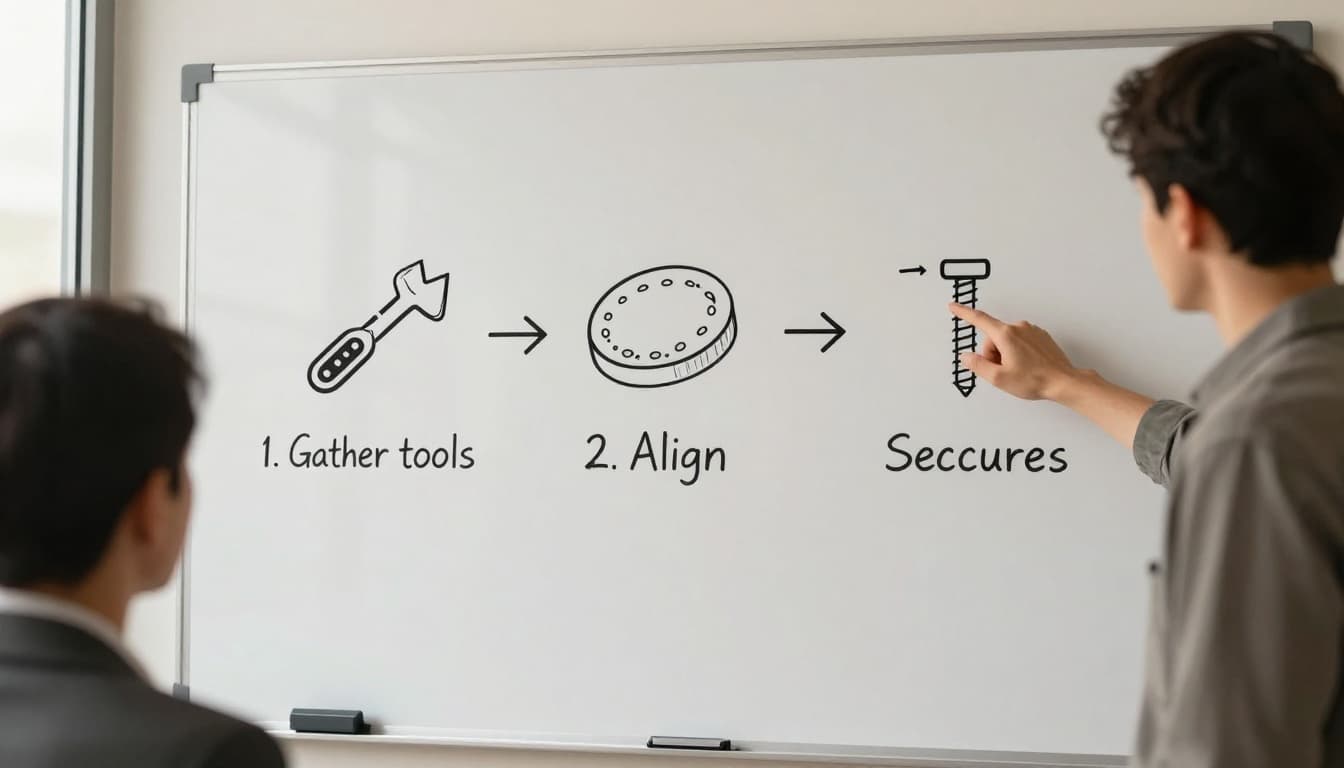
Group with subheads for complex ones. “Prep,” then “Assemble.” Keeps it tidy.
Number or Bullet Your Steps Clearly
Sequence right. First action tops the list. Like a recipe: Mix dry first. Add wet next.
Example directions to a store:
- Exit your door.
- Turn left on Main.
- Go three lights. Park.
Visuals help. Apps or sketches. Edutopia tips for students prove steps boost grasp.
Practice on assembly. Number tools first. Logic flows. Success follows.
Link Steps to the Big Picture
Tie each to why. “Sort now. It saves hours later.” Buy-in grows. No overload. One sentence max.
Motivates. “This step keeps us safe.” Folks push through.
Short why notes work. Builds trust. Results improve.
Mix Words with Visuals and Demos for Lasting Impact
Words alone fade. Pair with shows. Demos stick. Pictures clarify. Videos replay.
Visual learners get it fast. Others reinforce. Calm tone helps. “Try this.” Not barked orders.
In-person? Point and do. Remote? Share screens. Step-by-step visual guides cut support tickets.
Ask nicely. “Can you see?” Builds rapport.

Show Don’t Just Tell
Demo quick. Sketch a map. Use phone apps. Memory doubles.
Example: Fix a bike. Show the chain. Point. Let them try. Hands-on seals it.
Tools scattered neat aid focus. Reinforces words.
Nail the Right Tone Every Time
Calm voice wins. Smile. Energy positive. “Great job so far.” Polite: “Please hand me that.”
Tone sets mood. Rushed feels pushy. Steady builds calm.
Practice mirrors. Record yourself. Adjust.
Double-Check They Got It Before You Move On
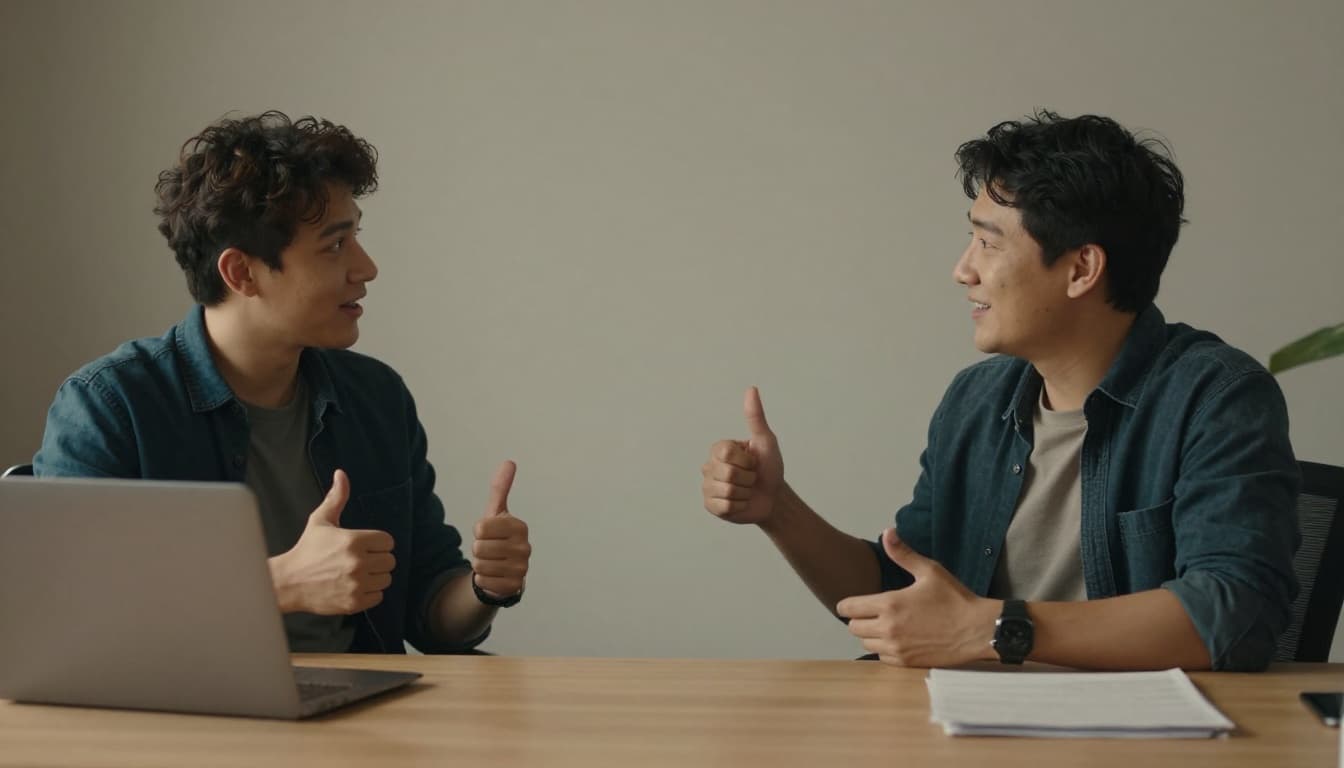
Never assume. Ask them to repeat. “What will you do first?” Confirms grasp.
Follow up later. “How’d it go?” Catches slips early.
Consistency pays. Teams align. Confidence rises. Errors vanish.
Use the Repeat-Back Trick
Keep it light. “Run that by me?” Not bossy.
Dialogue: You: “File now. Email me.” Them: “File it, then email you?” Yes. Go.
Steps: Give directions. Pause. Ask repeat. Clarify gaps.
Make Clarity a Daily Habit
Use same style always. Train others: “Repeat to check.”
Long-term? Stronger bonds. Better output. Start small.
Clear directions transform chats. Simple positives cut mix-ups. Steps guide big tasks. Visuals and calm tone stick. Checks seal success.
Try one tip tomorrow. Rephrase a negative. Watch the difference.
Share your win in comments. How’d it go? Better relations await.