
You grab your phone to check the forecast before a picnic. Sunshine beams down at 10 a.m. Perfect. By noon, dark clouds roll in. Rain soaks everything. What happened?
Many folks swap weather and climate without thinking. Weather hits you right now. Climate sets the long-term stage. People confuse them most during climate change debates. A chilly day sparks doubts about warming trends.
This post breaks down the difference between weather and climate. You’ll get simple examples and contrasts. Plus, the handy line: Climate is what you expect. Weather is what you get. We cover weather’s quick shifts, climate’s steady patterns, side-by-side comparisons, and common mix-ups. Stick around to see it all clearly.
What Makes Weather the Quick-Changing Force Around Us
Weather means the state of the atmosphere right here, right now. It covers minutes, hours, days, or weeks. Think temperature, rain, wind, snow, or clouds outside your window.
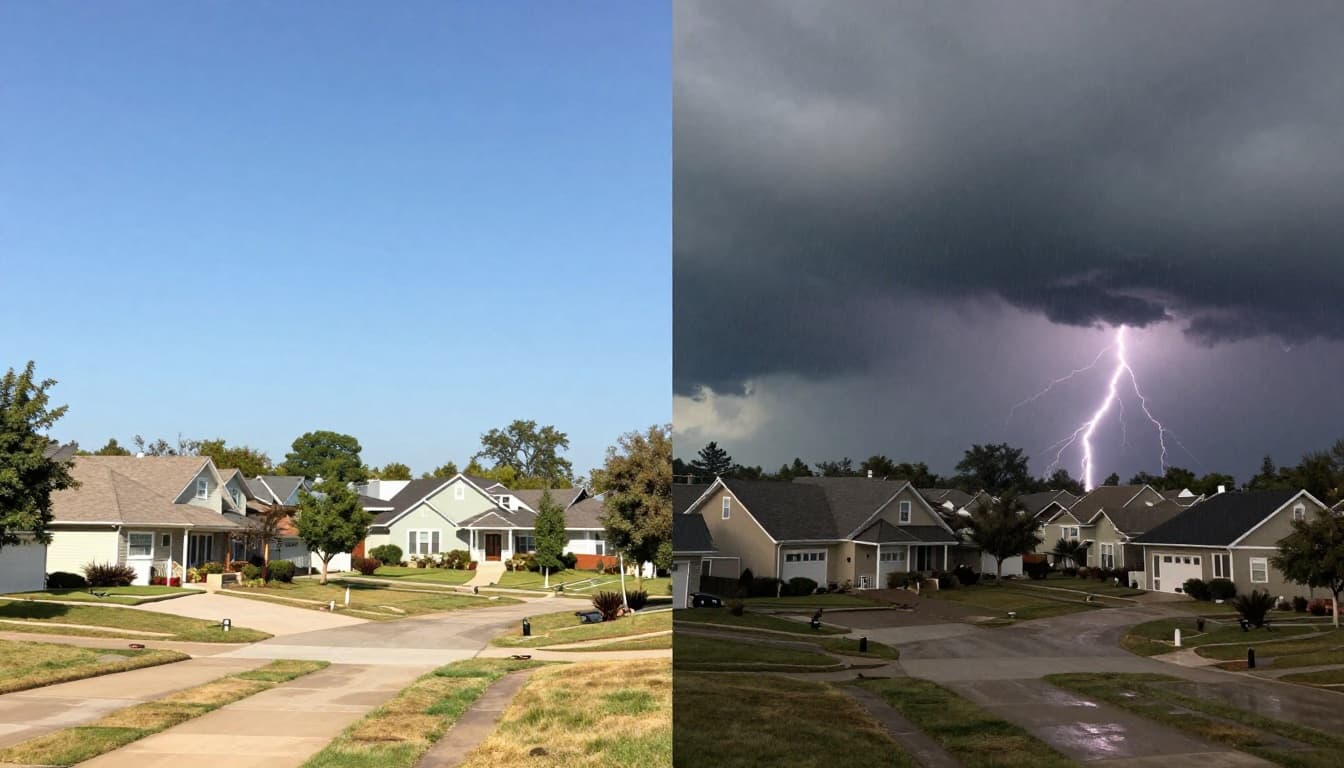
You step out on a crisp morning. Sun warms the air fast. Clouds build by lunch. A storm dumps hail in the afternoon. That’s weather in action. It flips without warning.
Key parts include temperature, how hot or cold it feels. Precipitation brings rain, snow, or sleet. Wind speed gusts from calm to fierce. Humidity clings to your skin. Cloud cover blocks the sun or clears for stars.
These shift quick because air masses clash. A cold front rushes in. Thunder rumbles. Forecasters track it with radar. Apps update every few minutes.
Everyday Examples of Weather in Action
Picture a cold, snowy start in Chicago. Roads ice over. Schools close. By afternoon, temps climb to 50 degrees. Sun melts it all.
Heavy rain pounds Seattle for a week. Streets flood. Basements fill. Then it clears for blue skies.
You plan a barbecue in Texas. Morning heat builds to 95 degrees. Wind kicks up dust. Evening cools with a breeze. These swings shape your day. Wind gusts switch directions in seconds. A calm lake turns choppy fast.
Sports teams huddle during sudden downpours. Picnics pack up amid lightning. Weather keeps life exciting, but you grab an umbrella just in case.
Why Weather Feels So Unpredictable Day to Day
Fronts drive the chaos. Warm air meets cold. Storms brew. Local hills block rain or funnel winds.
Radar spots it early. Satellites watch clouds form. Apps ping alerts for hail or floods. Still, it changes block by block. One street dries. The next floods.
That’s why forecasts nail tomorrow half the time. But minutes later? Expect surprises. It stays local and short. No long trends here.
Climate Revealed: The Steady Patterns That Define Places Over Decades
Climate sums up average weather in a spot over 30 years or more. It paints the typical picture by season. Northeast U.S. brings snowy winters. Southeast summers stay hot and humid.
Scientists pull data from stations and satellites. They average temps, rain, and wind. Your area gets 40 inches of rain yearly? That’s climate talking. Even if one summer skips it.
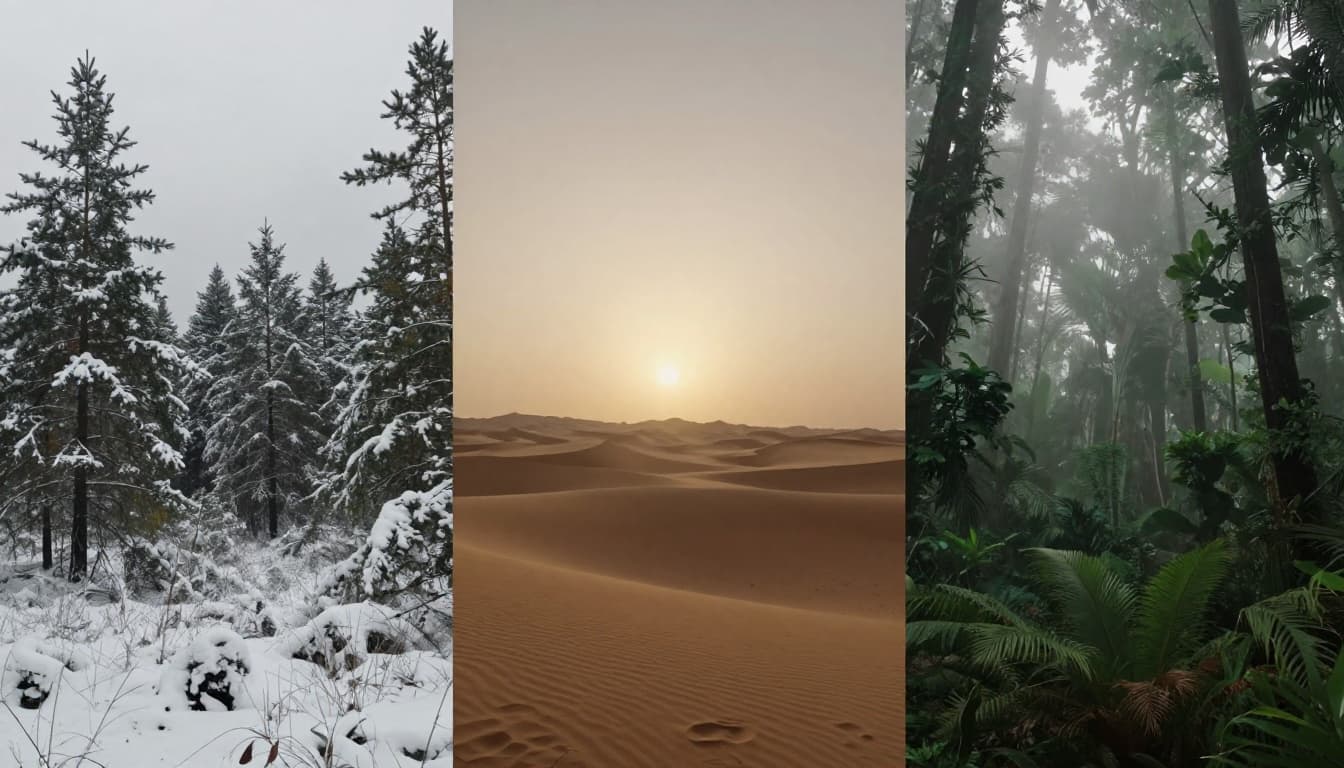
Types vary wide. Tropical zones swelter year-round. Deserts bake with little rain. Polar regions freeze solid. These norms shape farms, homes, and travel.
You expect mild falls in California. Harsh blizzards define Buffalo winters. History sets those baselines. NOAA confirms the 30-year mark for solid norms.
For basics, check NOAA’s explanation of weather versus climate.
How Scientists Measure and Track Climate
Stations log data daily. Satellites scan the globe. They crunch 30-plus years into averages. Summer highs hit 85 degrees? Winter lows dip to 20? That’s your climate profile.
Patterns emerge too. Wet springs follow dry falls. Extremes factor in, like flood odds over decades. No single storm counts. Just the big picture.
| Climate Element | Measurement Example | Time Frame |
|---|---|---|
| Temperature | Average high: 75°F summer | 30 years |
| Precipitation | Yearly total: 35 inches | 30 years |
| Wind Patterns | Gusty winters average 15 mph | 30 years |
This table shows steady norms. Trends shift slow, over centuries mostly.
Climate Variations Across the Globe
Mediterranean spots enjoy mild winters, dry summers. Arctic stays cold all year, with endless night. Florida hums with humidity. Arizona scorches.
These define regions. Vines thrive in wine country. Reindeer roam tundra. Slow changes build them. Not daily flips.
Spotting the Core Differences: Weather vs. Climate Side by Side
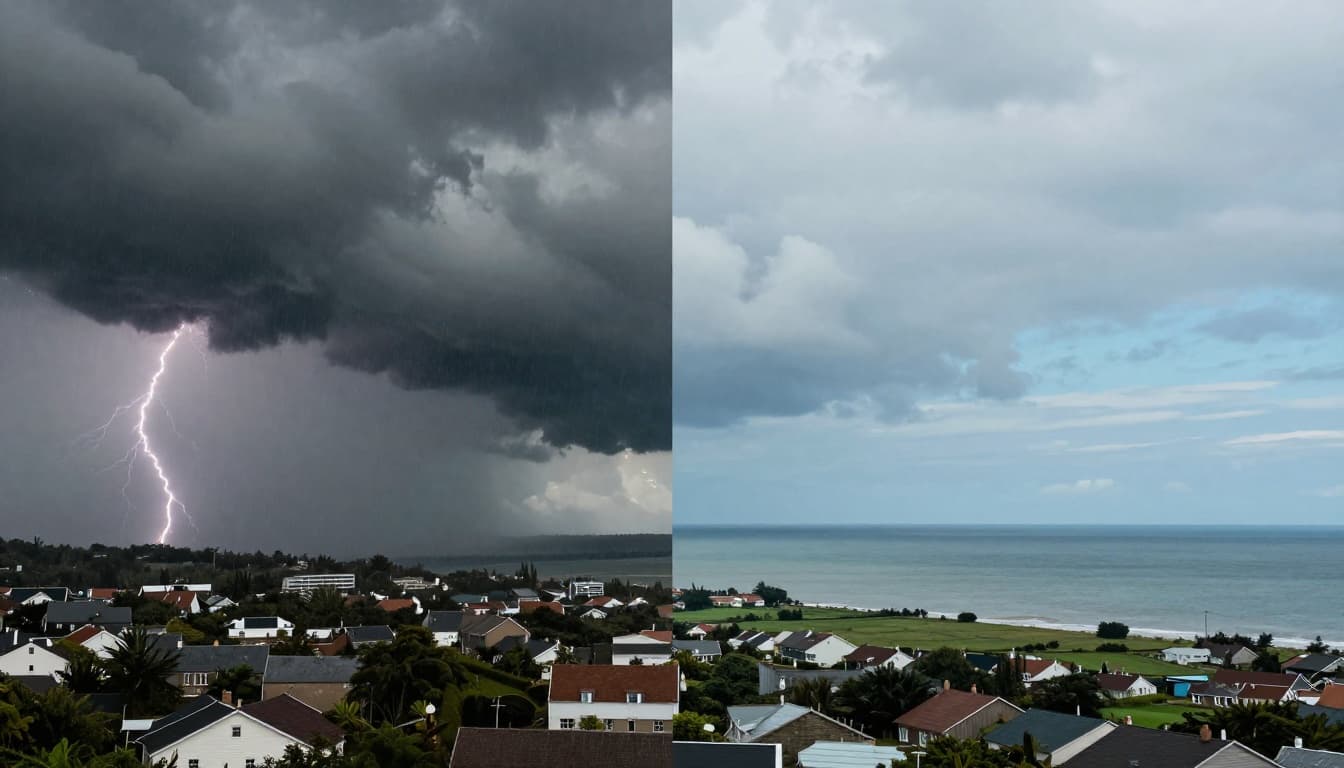
Weather happens now. Climate averages long hauls. NOAA nails it: Weather is what occurs. Climate is what you expect. NASA agrees. Weather shifts in minutes. Climate holds over decades.
The difference between weather and climate boils to time and scale. Here’s a quick side-by-side:
| Aspect | Weather | Climate |
|---|---|---|
| Time Period | Minutes to weeks | 30+ years |
| Change Speed | Fast, like storms in hours | Slow, over decades |
| What It Covers | Current temp, rain, wind | Averages and patterns |
| Scale | Local, your backyard | Regional or global |
| Predictability | Apps guess tomorrow | History sets expectations |
This setup clarifies it fast. Weather packs chaos. Climate brings calm norms.
See NASA’s take on the distinction for visuals.
Time Scale: The Game-Changer in Understanding Both
One cold week chills your town. That’s weather. Temps rising over 30 years signals climate shift.
A blizzard buries streets for days. Weather event. Average winters warming since 1990? Climate trend. Time sorts it out.
Clearing Up Confusion: Examples and Myths About Weather and Climate
A brutal cold snap hits amid global warming talk. Social media buzzes. “See? No climate change!” Wrong. That’s weather. One spell. Climate eyes 30-year rises in temps.
Hot July smashes records. Weather again. If summers trend hotter decade after decade, climate shifts. NOAA spots these mix-ups often.
Myths persist. Folks claim extremes disprove trends. But climate includes more intense storms as averages climb. Single events prove nothing.
Real-Life Mix-Ups and How to Avoid Them
Viral posts scream about a freeze killing warming. Check data. Pull 30-year charts. Your area’s winter average dropped? Weather. Overall heat up? Climate.
Quiz yourself. Snowy March proves what? Weather. Plan trips with forecasts. Use climate data for moves.
Weather Events in a Changing Climate Context
Warmer air holds more moisture. Storms pack bigger punches. But that hurricane? Weather. Rising sea levels from decades of heat? Climate. Context matters.
Wrapping It Up: Why the Distinction Powers Smarter Choices
Weather delivers today’s surprises. Climate maps long-term expectations over 30 years. The table and analogy stick: Expect climate. Get weather.
This split sharpens climate change talks. Don’t let a rainy week sway you. Daily headlines hype events. Big data reveals trends.
Check your local normals at NOAA sites. Share this with friends confused by news. Next storm, smile. You know it’s just weather. Stay informed. Live clearer. What’s your area’s climate surprise?
(Word count: 1492)